Monday, September 26, 2022

Tips for Keeping Your Pets Off of the Furniture


We all love our furry and fun friends, but we don’t exactly want them strolling all over our furniture, leaving behind hair and… other deposits. There has to be a solution, right? Of course, there is!

We can show you how to keep your pets off of all your furniture in this article, and we'll provide tips for making sure that this change in behavior in your pets is permanent.

Invest in Pet Furniture

An easy way to keep your pets off of your furniture is to give them some furniture of their own!

Get a cat bed or a dog bed, and your pet will have its own soft surface to lay on and, with some training, will no longer feel as inclined to hop up on your furniture. This is easy to teach your animals. Just don’t allow them on the regular furniture, but encourage them to use their own furniture.

After all, imagine coming home to this Bernhardt Addison Loveseat all scratched up from your pet walking on it. You’d be furious, wouldn’t you? Getting a pet bed will demonstrate to your pet that it’s ok to use their own furniture.


There is plenty of pet furniture out there, such as pet beds, cat trees, and even pet sofas. Be sure that if you have a cat, it has somewhere designated to scratch, such as a scratching post or pad. Cats need to scratch, so not having an outlet for this behavior can be the source of a lot of furniture scratching.

Once you have the cat tree/pet bed, you’ll need to still keep your pets off of the furniture “manually” for a little while until they learn the new rules.

A "Furniture Offering"

The next option for keeping your pets off of the furniture is what we like to call a “furniture offering.” This is a situation in which you demarcate one piece of furniture as okay for the pets to use, but not the others. This allows the pet to play on or lay on one piece of furniture in the house, but nothing other than that piece.

Imagine you have a gorgeous Stressless Recliners Classic Chair you absolutely do not want the pets to be on, so you offer them something else instead. This is a good solution to the problem.
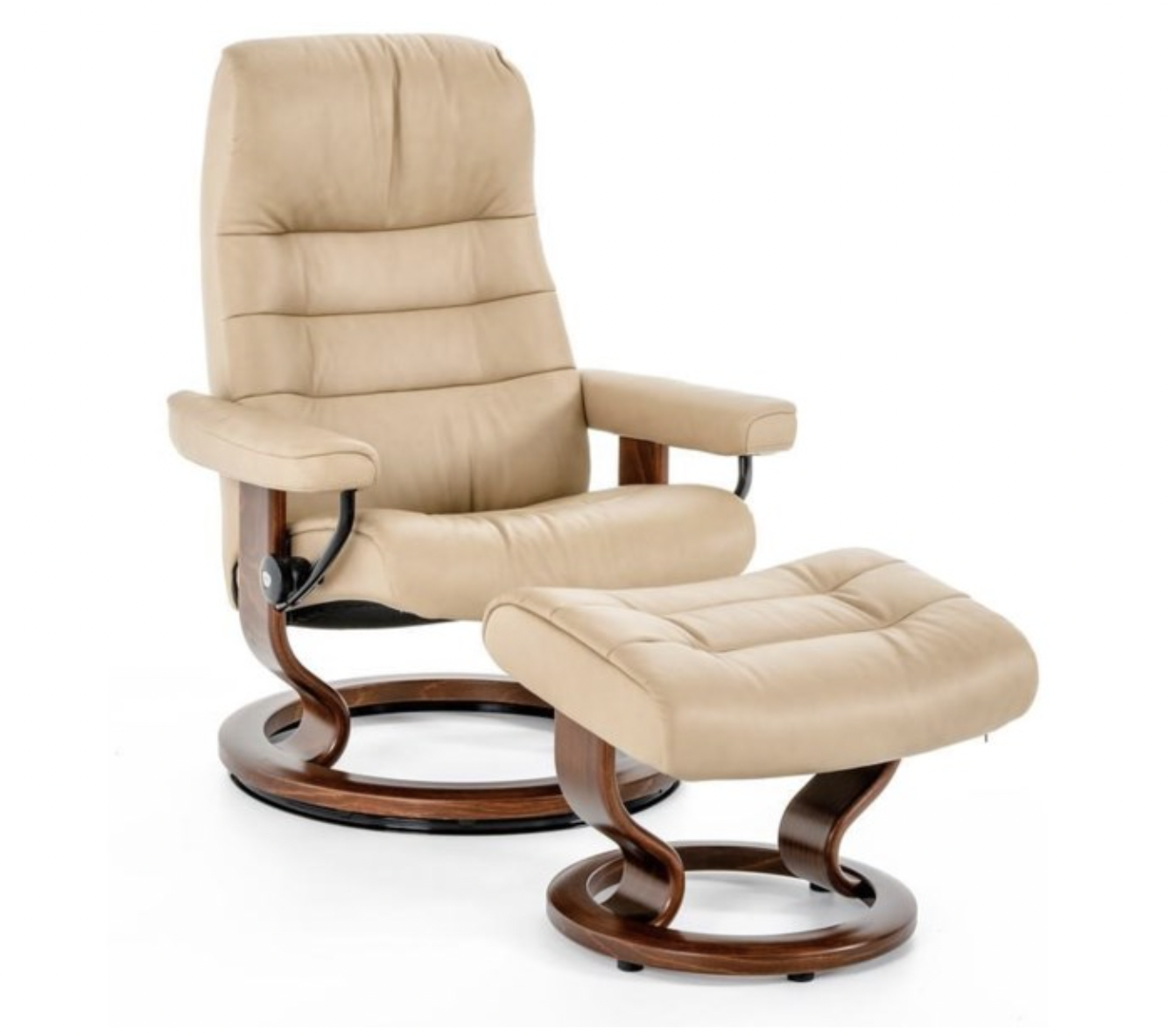


You will find that oftentimes this simple move will satisfy the pet’s desire to be on the furniture, and they will not try to get on any of the forbidden pieces. The best way to implement this is to keep your pet off of all the furniture but the designated piece of furniture “manually” until the animal learns where it is allowed to sit. Usually, a few days to a week or two of continuous reinforcement will result in a pet that knows which piece of furniture it is allowed to be on.

Pet Training

Pet training can be helpful in keeping pets off of the furniture. You just train the animal to not get on the furniture. This is much easier said than done, and if your pet is having trouble learning this critical behavior, it may be time to call in the professionals. A professional pet trainer can teach your pets to stay off of the furniture without compromise. However, pet training can be expensive. Obviously, it is undoubtedly worth it to protect a gorgeous piece of furniture like this Rocking Recliner by Best Homes.


If, however, you’ve decided that this is the direction you would like to go, it may be the best solution. Simply teaching your pets not to use the ordinary furniture is an excellent option, and with a professional’s help, you can certainly accomplish this goal.

Repellant Sprays

The final way to keep pets off of your furniture is with highly-rated “repellant sprays,” which are designed to make an area unpleasant for animals to be on. Follow the product's instructions before treating your furniture with the repellant spray, and your pets will no longer climb on your furniture.

This is a simple option, but we have listed it last because it is the most invasive to your pet and could cause potential damage to your furniture. Make sure you test the repellent on your furniture in a hidden area before committing.

Stop in at Baer’s Furniture

Regardless of how you keep your pets off of the furniture, at Baer's Furniture, we have a multitude of styles and designs of the finest furniture available. Come by and peruse our furniture stores to see thousands of square feet of floor models to find the perfect home furnishings for your next decorating project.

Friday, March 4, 2022

New and Reinvented Interior Design Trends for 2022


The year 2022 is all about out with the old and in with the new, and interior design is along for the ride. We've all learned a lot about home life, the needs we have for our houses, and so much more over the past few years, and now it's time to put that knowledge to action.

At Baer's Furniture, we're more than ready to help people bring new interior design ideas into their homes as well as reinvent old themes for a look that's refreshed and revamped. Furniture pieces that are always luxurious and always functional are what we provide, and 2022 will be no exception.

Here are 3 new and re-invented interior design trends for 2022 according to our stylists.

1) Rustic Style Re-Invented

For a long time, farmhouse chic was very in. The style included elements such as barn doors, natural textures, home accents that looked like old-school jugs of milk, and more. The go-to color for the scheme was gray and whitewashed everything.

We're not throwing out rustic style altogether, but in 2022 it's getting a major makeover. Instead of farmhouse chic, reinvented rustic is the next trend to look out for. It incorporates many of the original style's favorite elements, such as reclaimed wood with natural texture and grains. However, it also blends in modern elements such as bold colors and contemporary materials such as shiny metallics and ceramics.

The Oyster Bay Hidden Lake Bistro Table by Lexington is a shining example of this update to rustic. The traditional woven rush seats and whitewashed wood paired with burnished stainless steel and nailhead trim makes farmhouse feel edgy.

2) Gray – But Make It Pop

Gray has been a homeowner's favorite for the past decade. For a while, we were seeing gray everything. Kitchens, living rooms, and furniture were all gray. It's easy to see why – it's neutral but never boring, classy and sophisticated, and was a welcome change to the over-the-top Tuscan theme that dominated the early 2000s.

But is gray on its way out in 2022? Not really, according to our design experts, but you can expect to see some changes. In 2022 you're likely to see darker grays on walls, opposed to the light barely-there grays of years past. It's not just the shade that's changing, but the accents and furniture that go with it.

As far as interior design trends in 2022, look for gray schemes that feature bold accent chairs, sofas, and eclectic end tables with bright pops of color. More specifically, you're likely to see bright sunny yellows and statement-making cyan blues. It's a little more Art Deco with a contemporary twist.

2022's grays are on full display in this room featuring the Highland Park gray dining room group by Bernhardt Loft. With light and shadow, you can create a striking palette in shades of gray.

3) Cottage Core Is Here to Stay

You've seen the magazine-worthy social media posts and videos that feature the new trend of cottage core. Full of wicker furniture, greenery and house plants, pastel floral prints, and a deeply nostalgic feel, cottage core has carried over to 2022.

Cottage core focuses on simplistic comfort. There are no opulent designs to be found, but instead, you'll see lots of elegant pieces that feature straight lines and cozy home accents like throw blankets and pillows. And don't forget the vases full of fresh flowers as centerpieces on kitchen and dining tables.

However, the cottage core of 2020 and 2021 is reinventing itself just a bit. Throughout this year you'll be more likely to see elements of glam and luxury, such as decorative mirrors and wall art, or fine glassware and china, adorning the home. Add elements of lace, linen, and some warmer and cozier elements like shag rugs, and you've got cottage core for 2022.

To update your cottage core style with 2022 flair, feature your finer things in a curio cabinet like this one from A.R.T. Furniture's Arch Salvage collection.


Shop Baer's Furniture Today

If you're looking for a true design partner, not just a furniture retailer, come on into a local Baer's Furniture store near you today. We're family-owned, operating exclusively in Florida. With thousands of luxury pieces in stock and ready to ship, we can help you redesign the home of your dreams.

Whether you're looking to refresh a single room, to redesign an entire house, or are simply looking for that one special item to complete a look, we're here to help you find precisely the right piece.

Additionally, we offer a complimentary design service to all of our customers that saves you both time and money throughout the design and shopping process. We'll provide you with a professional assessment of your specific project, advise on the best route to take based on budget, help accessorize any space, and provide the utmost care with our white glove delivery and installation services.

Browse our website or visit us in person for an individualized shopping experience. If you prefer to have a more dedicated one-on-one consultation, you can also book an appointment.

Friday, February 25, 2022

Is Minimalism Still in Style? The Jury is Still Out!


For several years now, the minimalist style has been a tour de force in the world of interior design. Critics of the trend, however, have claimed that this style tends to be cold and barren. While that is certainly one interpretation of Minimalism, there is no reason why the minimalist concept cannot be warm, as many interior designers have successfully demonstrated. While no decorating trend can last indefinitely, Minimalism offers several benefits to home decorators that may help to keep it alive for a few more years. 

What Is Minimalism, and Why Is It So Popular?

The minimalist interior design seeks to remove clutter by focusing on essential furnishings. Minimalist homes typically focus on one particular color palette with possibly one or two accompanying accent colors, and the style lends itself to open spaces and floorplans. Minimalist design does not mean doing without items that you need to live comfortably, but instead removing unnecessary things from your living space to enhance comfort and tranquility. The term “decluttering” has become synonymous with minimalism, but you cannot achieve minimalist decor simply by decluttering. Rather, decluttering is an essential step in developing a minimalist environment. 

Benefits of Minimalism

In addition to being an attractive approach to home decorating, Minimalism can enhance your quality of life in several ways.

Creating a Tranquil Living Space

Fans of the minimalist style will often point to its simplicity. In a minimalist design, everything has its place, but there is also a distinct lack of extraneous items. Living room furniture, for instance, is arranged in a grid pattern with few, if any, items to distract from the clean and efficient arrangement. The neutral, muted tones create a calming atmosphere where bright conflicting colors don’t compete for your attention. To enhance the calming effect of minimalist spaces, many decorators are embracing the Scandanavian concept of Friluftsliv, which emphasizes year-round indoor greenery.  

Easier to Maintain and Clean

With the focus on fewer items, light colors, and geometric lines, minimalist spaces are easier to maintain and keep clean. Fewer surfaces mean that dust doesn’t have as many places to settle. The simple design presents a hygienic appearance, as well. 

Fewer Pieces Allows You to Curate Your Furniture Collection

Building a quality furniture collection can represent a significant financial investment, but with a minimalist design, you can build slowly and focus only on essential pieces. For instance, you can build a bedroom by starting with a single piece of furniture, like the bed. As time progresses, you can add other essential bedroom pieces to your room. With a minimalist design, you can use a similar approach to any room in the house. 

Tips to Keep Your Minimalist Decor Fresh

If you’re concerned because you committed to Minimalism and you’re worried about your living space looking dated, we have some good news. Many decorating trends are continuations of the minimalist design style. Here are a few tips that will help you keep your minimalist style fresh and up to date. 

Add Greenery

We alluded to it before, but Friluftsliv aims to bring natural beauty indoors. Adding a plant or small indoor tree to your roomscape can enhance the warmth of the room and break up the clean lines of your furnishings. If you want to maintain the straight lines of your aesthetic, consider a topiary with the contours you’re seeking. 

Add an Accent Wall 

Minimalist design isn’t necessarily limited to gray or white. You can change the entire look of a room by changing the color of a single wall. To maintain the minimalist theme of your room, don’t venture too far away from muted, neutral colors like beige, gray, etc. 

Add Accessories

You can accessorize your furniture and rooms without giving up a minimalist style. Add a throw or pillows to a living room chair or sofa. Place a quilt and throw pillows on top of a bed. To maintain your minimalist style, choose solids or simple or linear patterns that will accentuate the existing tones in your furniture. Consider adding an area rug or changing the one you have to freshen up the look of the room. 

Minimalism Is Still Safe

Our opinion is that the minimalist style still has a few years of life left in it. But if you are concerned that your room is beginning to look out of style, you can always begin building a new look around your existing pieces or start from scratch with a different style.  

Friday, December 3, 2021

Contemporary Leather vs. Traditional Leather


When styling your living space, it's essential to choose fabrics and textures that both match your taste and meet the demands of your family. Knowing about the different types of leather available for items such as sectionals and ottomans can be helpful when deciding whether to incorporate this kind of furniture into your home. Choosing between contemporary leather vs. traditional leather can significantly change the vibe of a space, and knowing what to look for ahead of time when you're in the shopping phase can be extremely beneficial.

Here's a complete guide to the different types of leather available in the furniture market, all of the most notable differences between contemporary leather vs. traditional leather, and how to know which is suitable for your home.

Contemporary Leather Furniture

You may be asking yourself, "is contemporary leather furniture right for me?" We're here to help you decide. First, it's helpful to know precisely what contemporary leather furniture is. In short, it has many features of the traditional style but brings in modern elements as well.

What this means is that you're likely to find that traditional rich leather appearance that you love meshed with modern finishes, textures, and shapes. Instead of the plush, overstuffed look, think of leather seating that features sleek straight lines, metal hardware and accents, and more.

Contemporary leather furniture also features a variety of colors. Today, you're likely to find contemporary leather furniture options in colors such as navy blue, sophisticated opal, and a sleek modern gray. This allows you to select leather furniture that matches virtually any interior design scheme and color palette.

You're also likely to find more high-tech and user-friendly features included with contemporary leather further. Think power recliners, USB charging ports, and more. All of this is designed to meet the demands of a busy modern family.

Traditional Leather Furniture

What is traditional leather furniture? This is a question we hear quite a bit. With so many options on the market, it's common for shoppers to feel overwhelmed. However, it doesn't have to be this way. There are several key features of traditional leather furniture that make it easy to spot.

First, the color palette of traditional leather furniture is reasonably straightforward. Think of classic browns and deep espressos. When you imagine a classic leather sectional, one of these colors likely comes to mind.

With traditional leather, you'll see the rounded shapes most associated with the furniture. We're talking about the classic comfy, cushioned backs and seats and stuffed rounded armrests. Additionally, mixed materials and accents are kept to a minimum. You're likely to see gold rivets, perhaps, or wooden feet that match the tone of the leather.

Which Leather Is Right for You?

Now comes the more complicated part — deciding which type of leather furniture is right for your home. Take a moment to think about your needs. Do you have a more modern color palette in your space that may require seating that isn't the classic brown tone? Or, are you more an eclectic soul who appreciates funky accents but still wants the timeless look and feel of leather? These are important questions to take into consideration when determining which type of furniture will best meet your needs.

Additionally, consider the needs of your family and of the space itself. Is the rest of the furniture sleek and minimalistic, or is oversized and fluffy your thing? Do your kids need to charge their tablets and gaming devices in USB ports frequently? Make a note of these questions so that you know what to look for when you begin shopping.

The Bottom Line: Contemporary vs. Traditional Leather Furniture

Ultimately, whether you choose contemporary or traditional leather furniture will come down to your personal choice and what pieces you like the best. Only you truly know what will work for your home and lifestyle.

Both contemporary and traditional leather furniture offer many benefits. From a longer lifespan than fabric or microfiber couches to increased durability and resistance to cuts and tears to stain resistance, leather furniture is a great option for many different spaces.

Whether you're looking to add a timeless piece of feature seating to your living room or are looking for a long-lasting yet luxurious accent piece to add to a den or home office, you can't go wrong when you choose leather.

Leather furniture is bound to last for years to come, and the best part about this type of seating is that it's always in style.

Visit Baer's Furniture on Houzz to learn more. Read Baer's Furniture reviews.

Monday, November 29, 2021

5 Styling Tips for a Magazine-Worthy Home


Better Homes. Good Housekeeping. House Beautiful. HGTV Magazine.

These iconic periodicals embody design goals that inspire — and intimidate. But making your home look worthy of a magazine cover isn't impossible! Read on for our 5 tips for designing spaces that could grace the glossiest of covers.

1) Incorporate Comfort, Style, and Function

It's essential to keep the three main components of interior design in mind when decorating your physical space: comfort, style, and function. To have a home that meets the needs of your family AND is worthy of professional photography and a magazine feature, you need to incorporate balanced elements of all three.

Decide Your Home's Style

First, you need to make some decisions about what you want your cover-worthy home to convey. Keep in mind your own personal style, and start answering some questions. Do you want your living space to be more casual or formal? Would you like it to be traditional or modern? Do you prefer bright colors or a more neutral palette for your color scheme? Answering these questions provides you with an excellent starting point to begin your design journey.

Create a Comfortable Space

Next, a home should be a safe space. It should be where you feel most at ease and relaxed. When the people in a home are comfortable, the vibe permeates the entire area. The feeling of comfort should spread throughout each room. Incorporate lots of comfy seating such as sofas and loveseats, warm and plush bedding, and plenty of blankets and throw pillows.

Keep in Mind Functional Needs

Lastly, it's imperative to create a space that functions as you need it to. Think about how much seating you need at the dinner table, whether you have pets or kids who are rough on furniture, and things like how much shelving you need. Then, find furniture and décor pieces that meet those needs and suit your style.

2) Add Your Own Personal Touches

The second tip from expert designers is to add your own personal touches throughout a space. These are the things that truly set your home apart from others. They may include photos of a favorite vacation destination, art from a local artisan, or an ode to family history.

Or, it may simply include pops of your favorite color throughout the space. There is no wrong way to bring in your own personal touch. Some people like to DIY a few projects to display something that's truly their own.

3) Choose the Right Wall Coverings and Flooring

Don't forget the walls and flooring! These two things often go overlooked when designing a home, but for a space that's truly magazine-worthy, they're essential. Still keeping in mind comfort, style, and function, choose the wall and floor colors and textures that are best for your unique home.

For example, maybe you have pets, and installing vinyl or tile floors throughout the house is imperative. If that's the case, spruce up the space and create defined areas using area rugs. Or, perhaps you have a smaller and more compact room that you want to make appear larger. If that's the case, hang some decorative mirrors to reflect light and open up the area.

4) Make Sure You Have Enough Storage

One of the most important aspects of designing a magazine-worthy home is to minimize the appearance of clutter and create a space that's well-organized. Every item throughout your home should have its own designated space to which it returns when not in use. That includes books and magazines, remotes and electronics, shoes, kitchen gadgets, and just about anything else that comes to mind.

The key to de-cluttering and organizing a home is to ensure that you have enough storage space. Think of ottomans that open to reveal hidden storage, beds with drawers under the frames, and TV stands & media cabinets with ample shelving. Any piece of furniture that doubles as a storage area is an excellent piece to incorporate in your home design.

5) Choose a Design Theme

Choosing a theme for your home helps keep the look cohesive, without being too matchy-matchy. Elements of a design theme include a color palette, which features a few main colors with an array of less prominent accent colors. Additionally, you'll want to decide on a fabric and texture palette. Are you into classic leather furniture or do you want custom upholstery throughout your space?

You should also think of a few patterns you'd like to incorporate, without letting it get too busy. Stripes with polka dots combined with plaid and tie-dye, for example, are overwhelming and confusing to the eye. Stripes with solids, however, are visually pleasing. Choose a few complimentary patterned pieces to place throughout the space that really showcase your personal style and design theme.

When you keep these 5 design tips in mind, you can create a space that reflects who you are as a family, while also stunning those who come to visit. At the end of your design journey, you'll have a home that's absolutely magazine-worthy.

Visit Baer's Furniture on Houzz to learn more and read Baer's Furniture reviews.